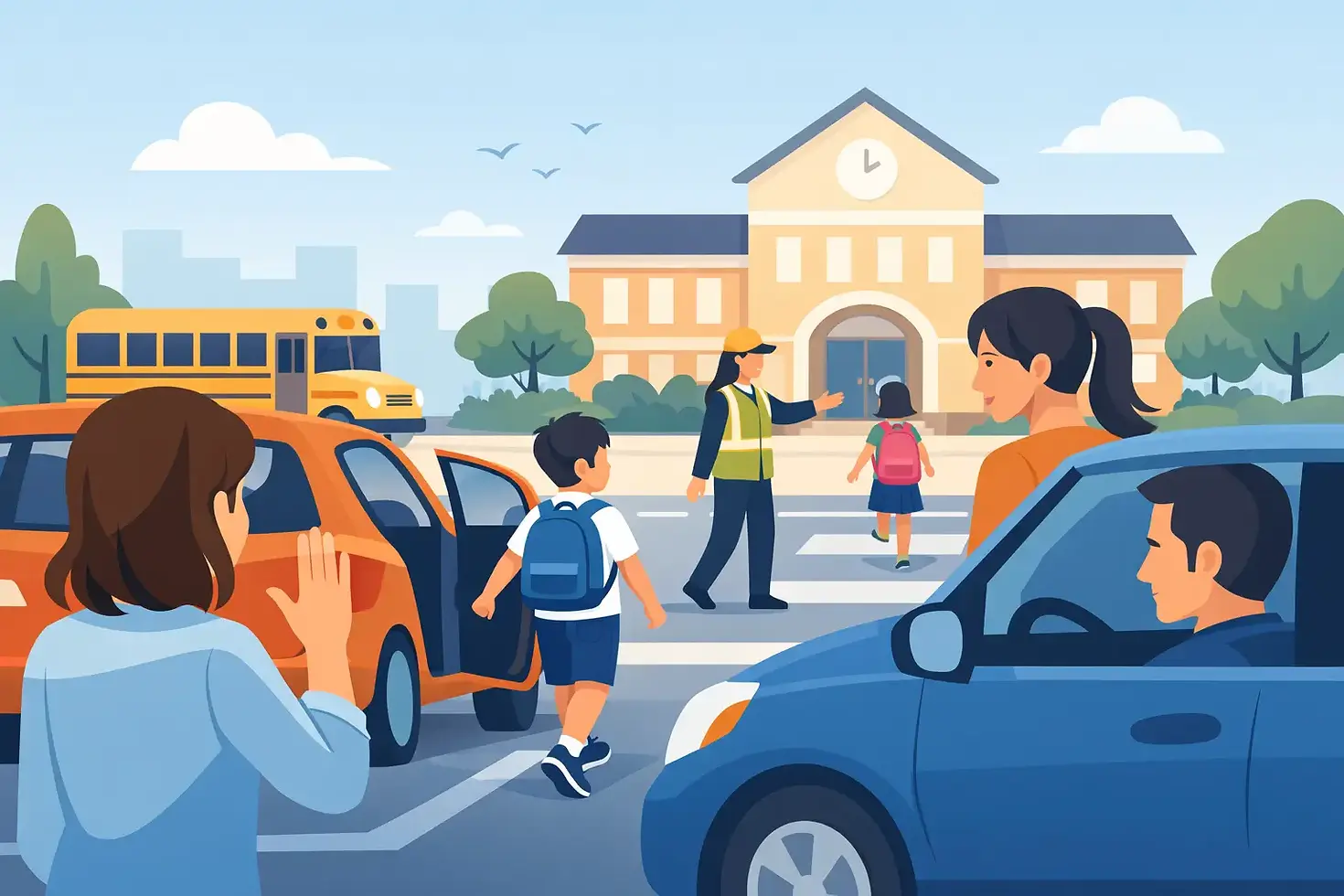
9 Best Ways to Simplify School Dropoffs
The morning usually goes off track before anyone even leaves the house. One child cannot find a shoe, another needs a last-minute form signed, traffic builds faster than expected, and suddenly a simple school run affects your entire workday. That is why so many parents search for the best ways to simplify school dropoffs - not for convenience alone, but for more control, less stress, and a safer, steadier routine.
For busy families in South Florida, the right solution is rarely just about leaving five minutes earlier. It is about building a system that works on normal days, hectic days, and the days when everything shifts at once.
The best ways to simplify school dropoffs start with routine
The most effective drop-off routine begins the night before. When backpacks are packed, lunches are ready, uniforms are set out, and school paperwork is handled ahead of time, the morning becomes more predictable. That predictability matters because school transportation problems often come from small delays that stack up quickly.
A set evening routine also helps children know what to expect. Younger students do better when each school day starts the same way, and older students are more likely to stay on schedule when expectations are clear. This does not have to be complicated. A simple checklist near the door can remove a surprising amount of stress.
That said, routines need to fit the family. A household with one child in elementary school and another in aftercare will need a different setup than a family juggling multiple campuses and early work shifts. The goal is not a perfect schedule. The goal is a repeatable one.
Build more time into the morning than you think you need
One of the best ways to simplify school dropoffs is to stop planning around best-case timing. If traffic is usually 20 minutes, plan for 30. If your child typically needs 10 minutes to get into the car, assume 15. This buffer protects the rest of the morning when something minor changes.
In South Florida, weather, traffic patterns, and school-zone congestion can shift quickly. Parents who rely on tight timing often feel the most pressure when there is a lane closure, a long school line, or an unexpected delay at home. A small time cushion gives you room to respond without rushing your child or risking a late arrival.
There is a trade-off, of course. Leaving earlier can mean adjusting wake-up times and evening routines. But for many families, that change is easier than dealing with repeated morning stress.
Reduce decision-making for kids and adults
Mornings get harder when every step requires a new decision. Which shoes? Which breakfast? Who is driving? Is today a car line day or a walk-in day? Too many choices slow everyone down.
Simplifying school dropoffs often means standardizing what you can. Keep school items in one place. Use one pickup and drop-off plan for each day of the week. If breakfast tends to cause delays, rotate through two or three easy options. If multiple adults share transportation duties, confirm the plan the night before rather than in the driveway.
This kind of structure is especially helpful for younger children, who may struggle with transitions, and for working parents who need mornings to move with less back-and-forth. Fewer decisions usually means fewer delays.
Choose the safest route, not just the fastest one
Parents often focus on the quickest possible trip, but the fastest route is not always the most reliable or safest during school traffic. Some roads look efficient on a map and become stressful once buses, school-zone speed changes, and long left-turn backups are involved.
A better approach is to choose a route that you can count on. Reliability matters more than shaving off two minutes. The same is true inside the school arrival process. If one entrance is calmer, more supervised, or easier for your child to navigate, that consistency can be worth more than a slightly shorter line.
This is one area where it helps to think beyond pure convenience. A drop-off process should support punctuality, yes, but it should also reduce hurried handoffs and unclear transitions. For families with younger children, that matters a great deal.
Make one transportation plan the default, and one the backup
Many school mornings become stressful because transportation plans change too often. A parent drives on Monday, a grandparent helps on Tuesday, a neighbor fills in on Wednesday, and by Thursday nobody is fully sure who is handling what. Even when everyone means well, inconsistency creates confusion.
One of the best ways to simplify school dropoffs is to create a primary plan and a backup plan. The primary plan should cover normal school days. The backup should cover meetings, travel, schedule changes, and the occasional emergency. When both plans are clear, there is less room for missed communication.
This is also where families often recognize the limits of informal carpools. Shared arrangements can help in some situations, but they may not offer the consistency, oversight, or communication that busy households need every week. If reliability is critical, a structured transportation solution is often the better fit.
Use real-time communication whenever possible
A school drop-off routine is easier to manage when parents are not guessing. Real-time updates, clear driver communication, and confirmed arrival windows reduce uncertainty and help families plan the rest of the day with more confidence.
This is especially important for households with two working parents, split custody schedules, or aftercare transitions. If one part of the transportation chain is unclear, the entire day can feel unsettled. Knowing when a child has been picked up, when they are approaching school, or whether a delay has occurred gives parents a stronger sense of control.
Not every transportation option offers this level of visibility. That is worth paying attention to when comparing choices. A casual arrangement may seem convenient at first, but if there is limited communication or no structured update process, stress often returns quickly.
When driving yourself stops working, outsource the right part
Some families assume the only way to simplify school mornings is to keep doing everything themselves, just more efficiently. In reality, one of the smartest changes can be handing off the part of the routine that creates the most pressure.
If school drop-offs regularly conflict with work start times, younger siblings, medical appointments, or multiple campuses, it may make sense to use a dedicated student transportation service. The key word is dedicated. Parents looking for recurring help are not usually searching for a casual ride. They want licensed, insured, child-focused transportation with vetted drivers, structured scheduling, and dependable communication.
That distinction matters. Traditional options may not align with a family’s address, timing, or aftercare needs. Generic rideshare services are not built around recurring student transportation. A specialized service is designed for the reality parents face every school week - safety expectations, school-specific timing, and the need for a driver families can trust.
For families in Pembroke Pines and nearby South Florida communities, JOLLIBUS is built around that exact need, helping parents replace daily transportation guesswork with a more reliable routine.
Keep the handoff calm and consistent
Even a well-planned drop-off can feel difficult if the final handoff is rushed. Children notice when adults are tense, behind schedule, or changing instructions at the last second. A calm handoff helps them start the school day more settled.
That may mean arriving with enough time for a quick goodbye instead of a hurried exit. It may mean using the same drop-off point each day so your child knows where to go. For some children, especially younger ones or those adjusting to a new school year, consistency at the handoff can reduce resistance over time.
There is no single approach that fits every child. Some do best with a short, direct goodbye. Others need a little more reassurance. What matters is keeping the pattern steady so the child knows what to expect.
Review what is actually causing the friction
If school mornings feel difficult every day, it helps to identify the real problem instead of treating every symptom. Sometimes the issue is traffic. Sometimes it is poor preparation the night before. Sometimes it is a transportation arrangement that no longer fits the family’s schedule.
A quick weekly review can help. If the same problem keeps showing up, it probably needs a system change, not another rushed workaround. Parents often gain the most relief when they stop asking how to manage the chaos better and start asking what can be removed, delegated, or made more consistent.
That shift is often what leads to the best long-term results. A school drop-off routine should support your household, not strain it. When safety, timing, and communication are built into the plan, mornings feel lighter for everyone involved.
A simpler school morning is not about doing more before 8 a.m. It is about creating a routine your family can trust, even on the days that do not go perfectly.


Comments